The DSIC Leadership Development Programme: From “Heroes” to “Hosts”
The DSIC Leadership Development Programme, which officially concluded at the end of April, was designed and delivered by the Faith & Praxis team across four intensive online modules. Facilitated via Zoom, the initiative bridged geographic and language barriers by conducting large plenary sessions and structured small-group breakouts in English, Spanish, and French simultaneously.
Yet, it was the programme’s unique content – a distinctive integration of synodal theology with relational psychology – that left the deepest mark. Participants reporting back say the experience has fundamentally altered not just their intellectual understanding of leadership, but how they show up in their communities, chapters, and daily ministries.
For many participants, the programme’s greatest achievement was dismantling old, top-down models of authority in favor of a more synodal, collaborative style.
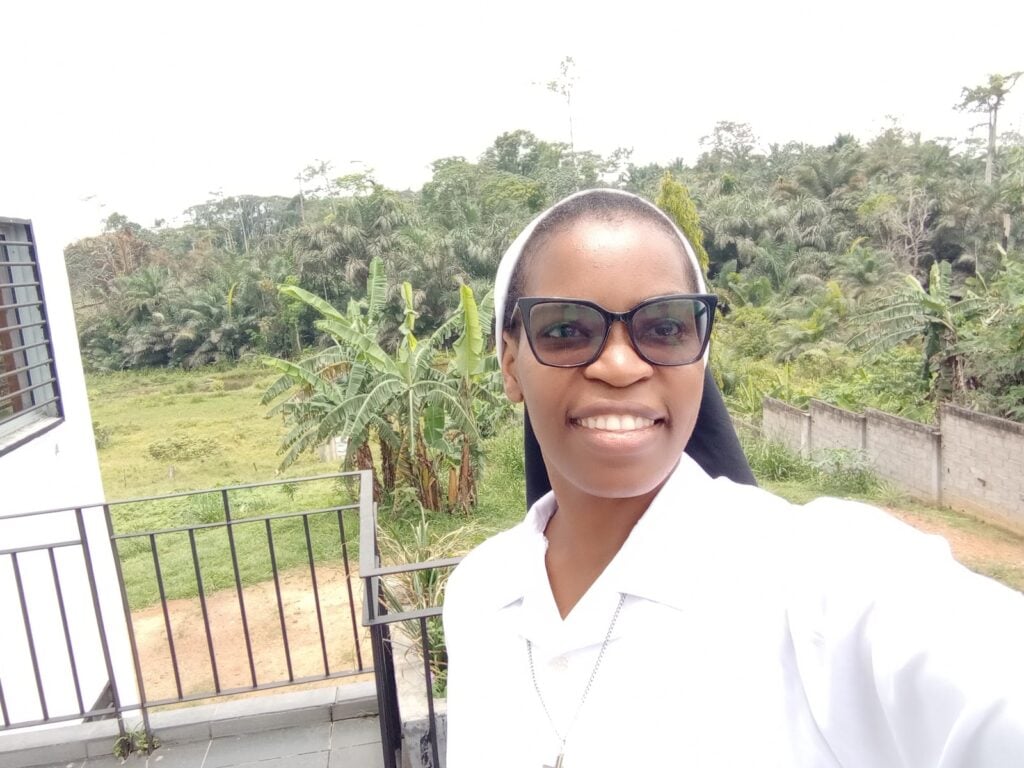
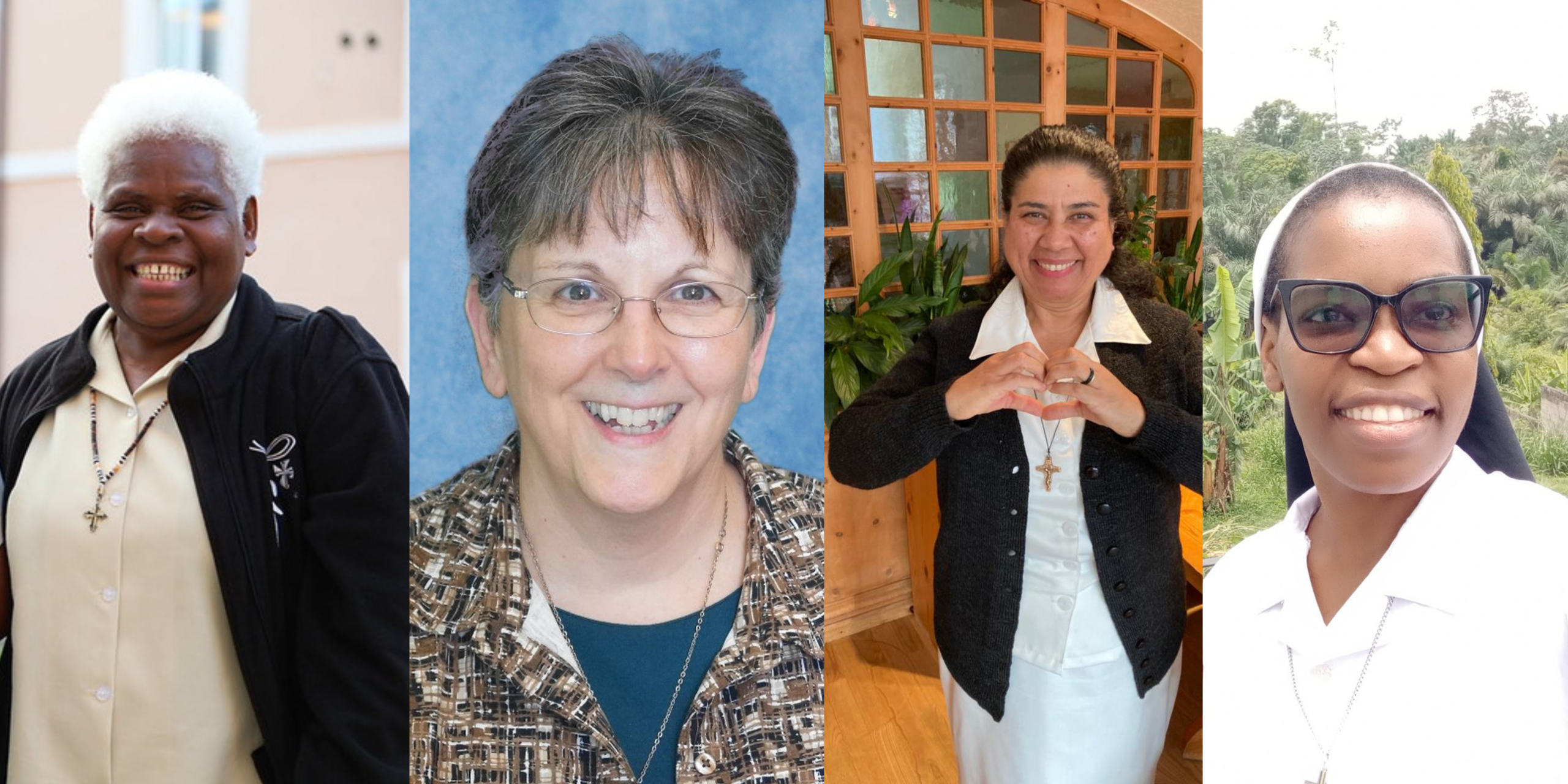
Linda Korie, Dominican Sister of Blessed Imelda from Cameroon, described the curriculum as “truly enriching and transformative,” offering a blend of practical skills and spiritual depth. “The program helped me understand the shift from being a ‘hero’ to becoming a ‘host,’” Sr. Linda explained. “I realized that leadership is not about doing everything or knowing it all, but about being a facilitator – someone who ensures that everyone feels comfortable and valued in the community.
This perspective will strengthen my ministry by fostering collaboration, humility, and attentiveness to others.”
This sentiment was echoed by Sister Maria José Brito (Ilanz Dominican Sisters, St. Joseph Institute) from Brazil, who noted that the online methods successfully fostered an environment where leaders could embrace their own vulnerability. For Sr. Maria José, the course content was an excellent catalyst for “cultivating active listening, empathy, and compassion for a holistic, contemplative, and synodal leadership style.”
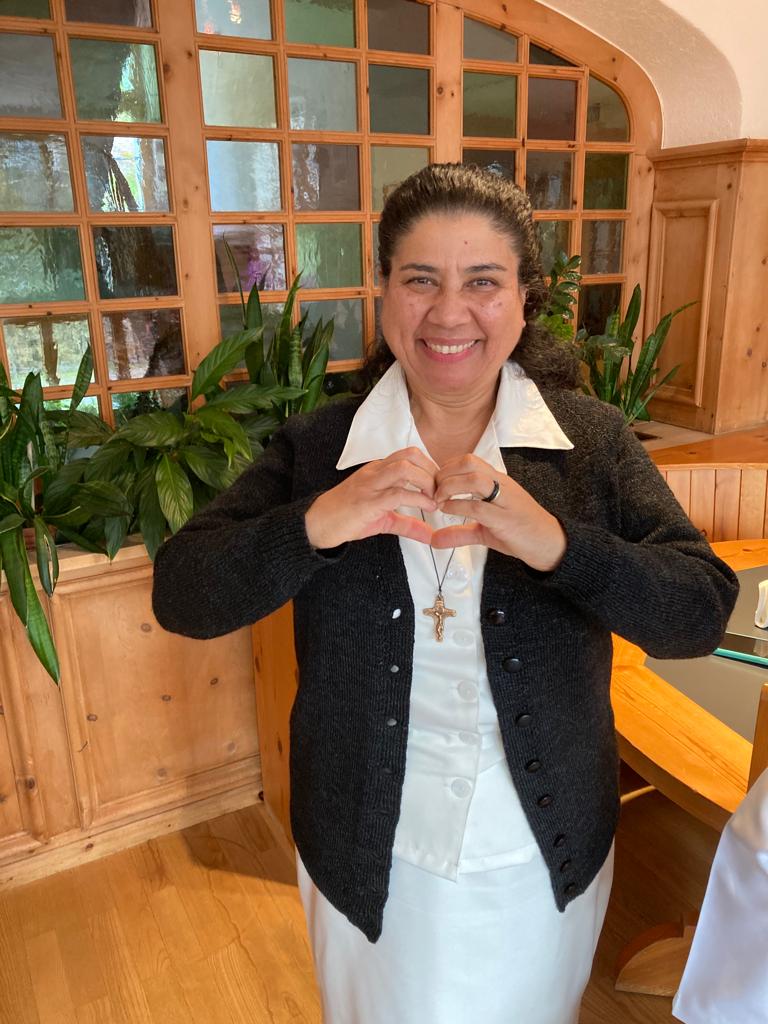
A cornerstone of the Faith & Praxis curriculum was its focus on relational dynamics, specifically teaching participants how to navigate internal and interpersonal situations of conflict.
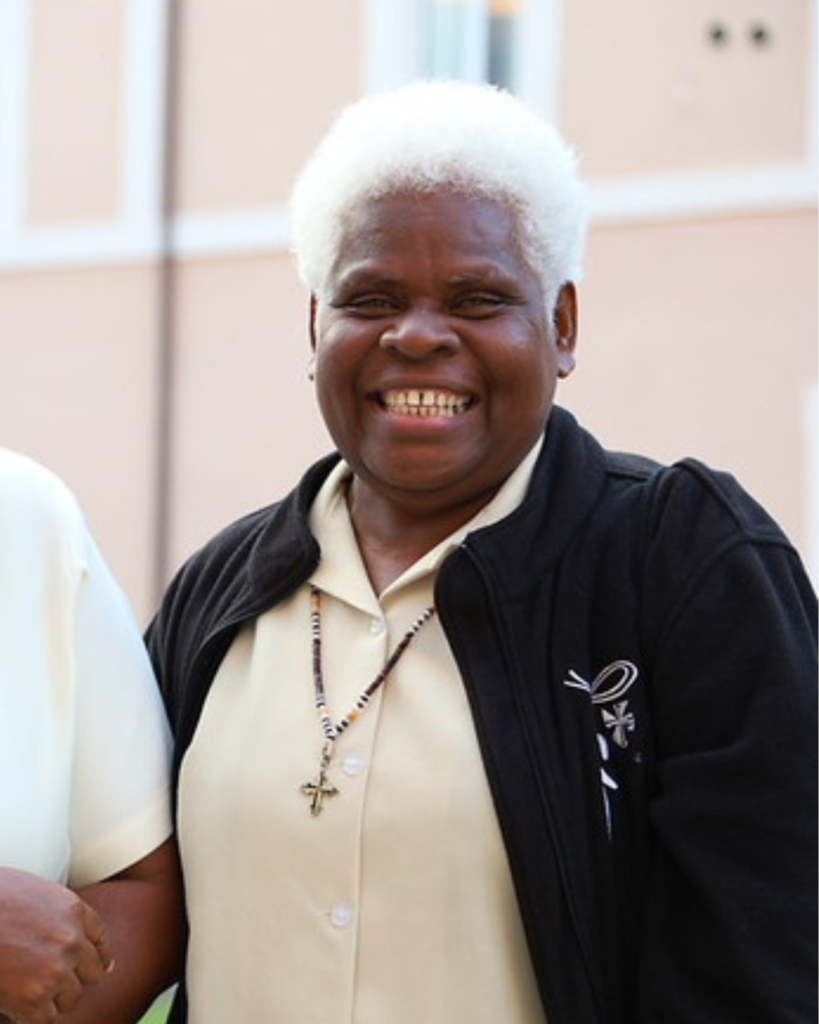
Rather than viewing tension as a destructive force, the programme challenged the sisters to see conflict as an ally – a space where creative, communal solutions can emerge. It was a perspective that resonated deeply across different hemispheres. From the Solomon Islands, Sister Loretta Arohikeni shared: “Looking at the topics on conflict has helped me not to focus on the negative but look beyond, and focus on a positive way to grow.”
Sr. Maria José experienced a similar breakthrough, particularly during a session focused on “Inner Conflict.” The topic, she said, “made me realize that I can learn and grow from conflicts and through them finding a source of inalienable power.”
Beyond personal psychology, the programme focused as well on systemic realities, helping sisters analyze how history and institutional systems impact current personal dynamics within a congregation.
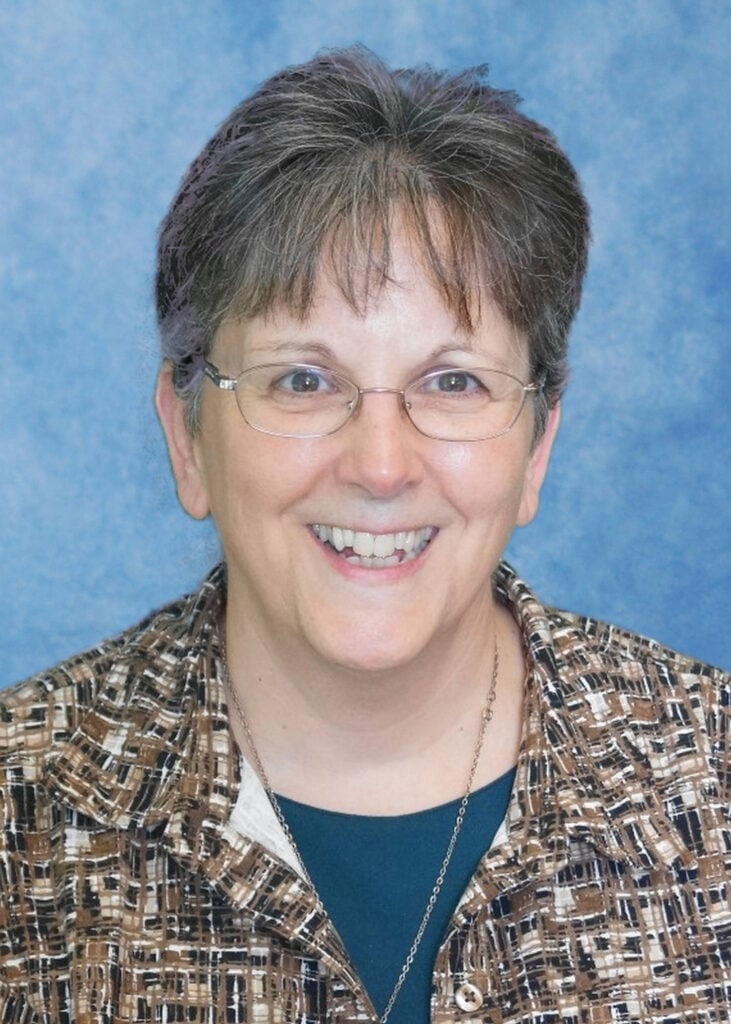
Sister Beth Murphy, member of the Dominican Sisters of Springfield, found these organizational tools uniquely suited for the modern Church. The program, she said, provided vital “skills, tools, and inspiration for ministry that will benefit me and my congregation as we all serve as ‘wayfinders’ in a changing global landscape.” Sr. Beth highlighted how leaders can structure meetings to circumvent historical biases, “creating processes for community decision-making that enable true synodality.”
Surely one of the most enduring legacy of the four modules is the deep cross-cultural solidarity it forged. For participants, discovering shared vulnerability proved to be a source of immense collective strength.
“I cherished the workshops with sisters from different congregations across the world – from the USA, Vietnam, India, and beyond,” Sr. Linda shared, reflecting on the small-group breakouts. “Sharing our experiences revealed that, despite our diverse contexts, we face similar challenges and hopes.”
The programme culminated in the collaborative creation of a “Dominican Creed” – a document that continues to be a source of inspiration for participants.
Sr. Beth Murphy admitted to being “in awe” of the document: “I find myself returning to it again and again in prayer,” she said, noting that she is already using the Creed to shape her approach to a new outreach program for young adult women.
The DSIC Leadership Development Programme concluded its online sessions, but its true work is just beginning as 120 empowered “hosts” bring a renewed, synodal vision of leadership to communities around the world.