Living Peace in a Time of Conflict: How the Dominican Sisters of Blessed Imelda Serve Myanmar’s Displaced Youth
In the face of ongoing conflict, displacement, and deep uncertainty in Myanmar, the Dominican Sisters of Blessed Imelda remain a steadfast source of refuge, education, and spiritual support. Sr. Lucia Homen shares how her religious community serves local families and children from IDP (Internally Displaced Persons) camps, builds bridges across diverse cultural backgrounds, and draws strength from communal prayer.
1. What are the primary ministries and services your community provides to the local population in Myanmar today?
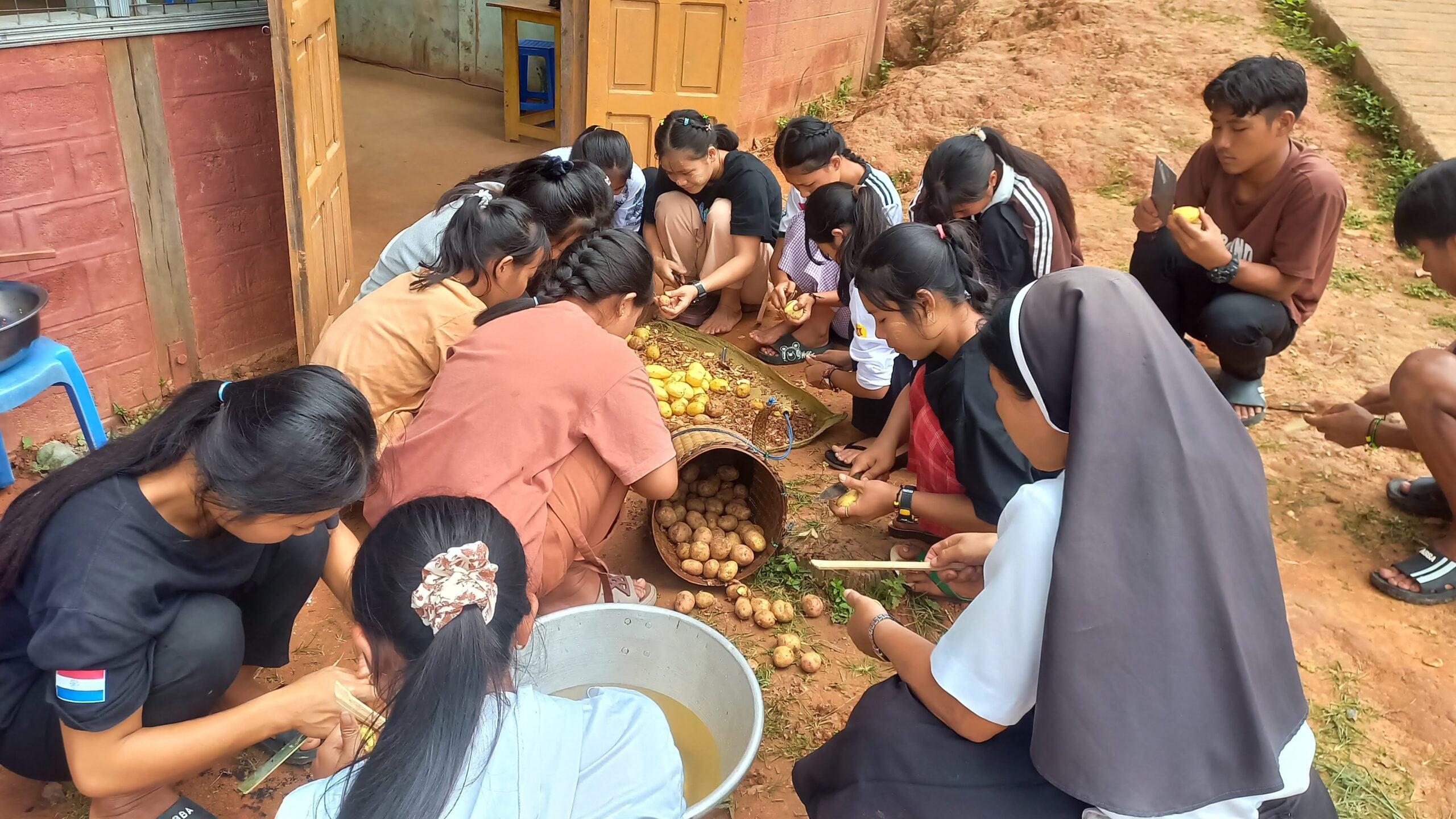
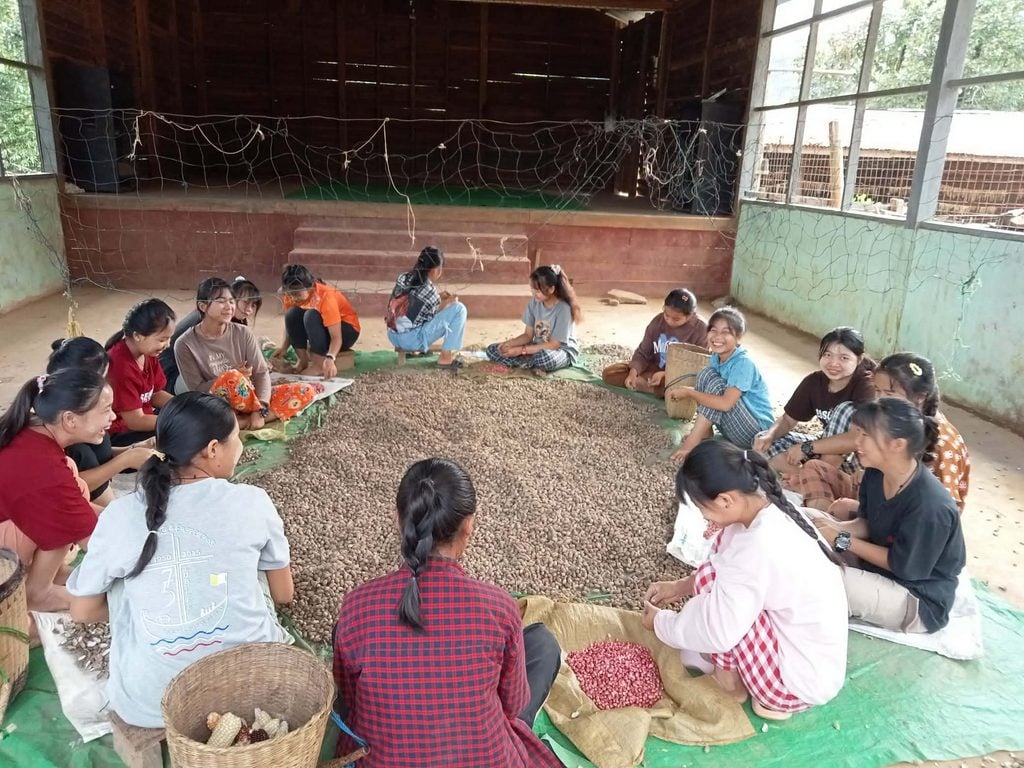
The primary ministries and services our community provides to the local population in Myanmar focus mainly on education across all levels, as well as conducting workshops for teachers on psychosocial support, peace education, and classroom management. Additionally, we run a boarding house for 30 high school students who come from various Internally Displaced Persons (IDP) camps. They remain with us year-round, as we offer English courses and other activities during the summer holidays.
In the parish, our community provides pastoral services, takes care of the sanctuary and daily Mass preparation, and leads faith-based recollections and activities for parish associations in collaboration with the Parish Priest. These associations include the Youth group, Holy Childhood, Daughters of Mary, St. Ann, and Catholic Action (CA). We also occasionally collaborate with organizations such as Jesuit Refugee Service (JRS) and Justice and Peace (JP).
2. How do you build trust and deep relationships with local communities, particularly across different religious, cultural, or language backgrounds?
Over the past decade, the region has experienced clashes, misunderstandings, and conflicts, so we initially approached our work mindful of these realities. At first, there were doubts and hesitations as we navigated a new environment and connected with new people. However, people’s perspectives evolve. We were personally invited by the local community through our Monsignor, which helped establish a foundation.
The local people lead simple lives deeply rooted in traditional practices. We began building trust by fostering individual friendships, particularly with those directly connected to our work. Over time, as they gained confidence – especially regarding their children’s education – they came to understand our mission and presence, becoming much more open and receptive to us.
3. How does living in a religious community support and sustain individual sisters through difficult or stressful times?
We are sustained first by remaining faithful to prayer, committed to our vows, and devoted to our mission. Living in community requires mutual openness and understanding without imposing undue demands, respecting that each sister carries her own responsibilities.
4. What is one thing you wish the global community understood about the people of Myanmar and the work being done on the ground?
To be honest, it is heavy on my heart to answer this, as words alone cannot fully capture our reality unless it is experienced firsthand. While the world is aware of the situation, finding the right words to describe it remains overwhelming.
With a compassionate heart and empathy, one can begin to understand the reality on the ground: we urgently need peace, justice, freedom, and fundamental rights for all victims. We live and work in constant vigilance day and night. People have lost everything, and no place is safe; no one knows when bullets, bombs, suicide drones, airstrikes, or jet fighters might strike. Human dignity, human rights, and human values seem entirely disregarded by the military junta.
Diplomatic talks and news headlines often feel disconnected from the harsh reality on the ground. We are deeply grateful to all the individuals and communities who continue to remember, speak up for, and stand with the people of Myanmar. You are our voice and our hope.


