
Peace with Creation: example of the butterflies
Sr. Lissette (Lissie) Avilés-Ríos, op
When people talk to us about peace, some think that the way to achieve it is as a result of war, while others—and I hope we are the majority—see it as a process born of justice based on the Kingdom of God. Peace that is fueled by war, or peace that is fueled by justice. Reflecting on this reality, let us contemplate the world of butterflies.

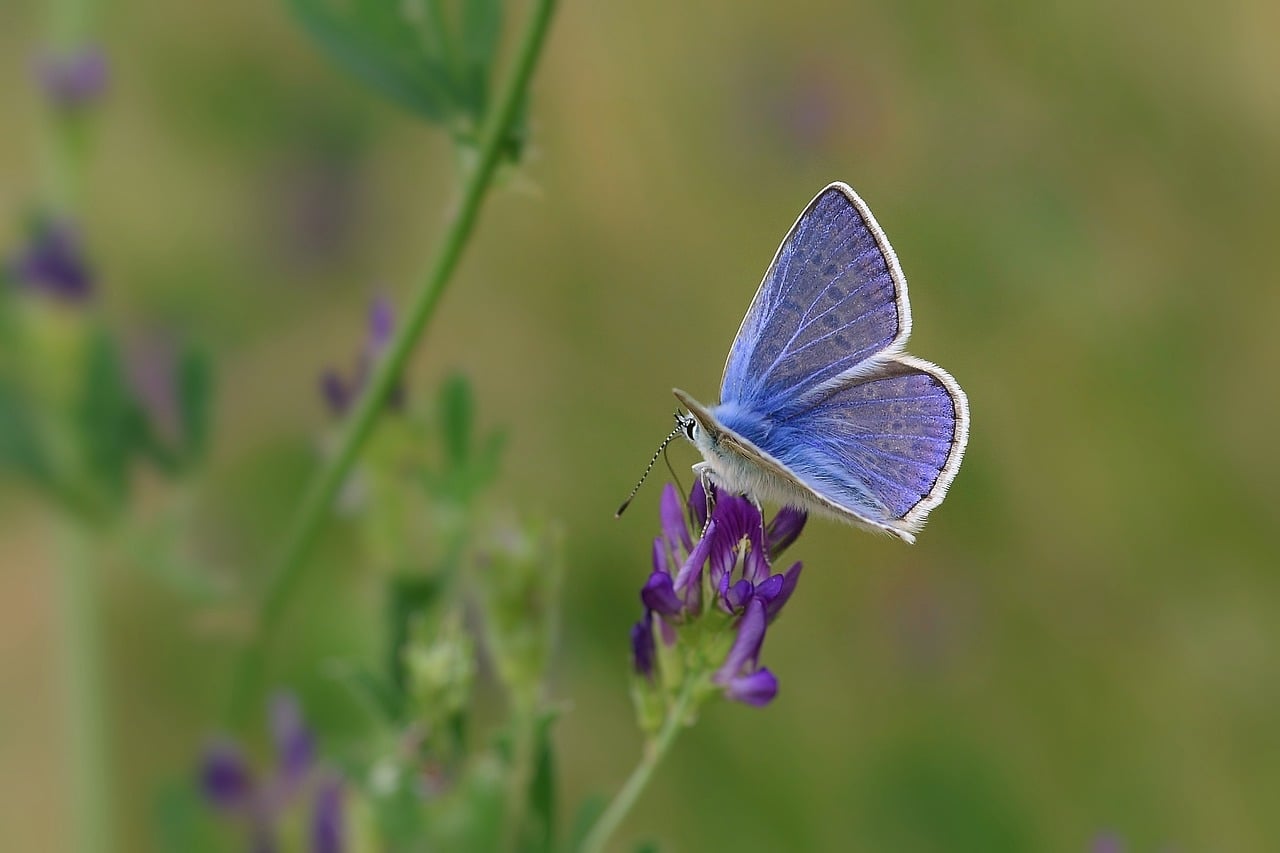
There are diurnal (day-active) butterflies and nocturnal (night-active) ones. This has nothing to do with work schedules; rather, it’s when they are most active. The diurnal ones have brighter colors, and when they rest, they keep their wings in a vertical or closed position. The nocturnal ones are known as moths; their activity is at night, they are brown or gray in color, and when they rest, their wings are in a horizontal or extended position. Both go through the process of metamorphosis, but not exactly the same way, and here is the key.
In the case of the nocturnal butterfly, the caterpillar feeds on dry leaves that have fallen to the ground, hence its brown and grayish colors. They then make their cocoon or chrysalis among the leaf litter until they mature and a nocturnal butterfly or moth emerges. In the case of the diurnal butterflies, they feed on living leaves, that is, leaves that are on the shrub or plant, which is why their colors are more vibrant and bright. When they make their chrysalis, they do so by hanging from one of the branches of the plant that served as their food.
After contemplating this reality of the butterflies, we could ask ourselves: what do we feed on to make a world of peace possible? What feeds the peace we profess? Does it perhaps feed on acts of violence, on selfish and uncooperative demands that result in a merciless war where the dignity of another human being is neither seen nor recognized? Or, on the contrary, is it nourished by the values of the Kingdom that seek the good for all, but particularly for the impoverished or marginalized, where one is capable of dialoguing respectfully with what is different, accepting diversity? We can remember what Paul tells us: “For you are all children of light, children of the day. We are not of the night or of the darkness.” (cf. 1 Thess 5:5)
Yes, what feeds us also defines us and can strengthen our search for peace with creation. Let us, therefore, be beings of the Light.