
The Voice and Vision of Dominican Sisters Africa
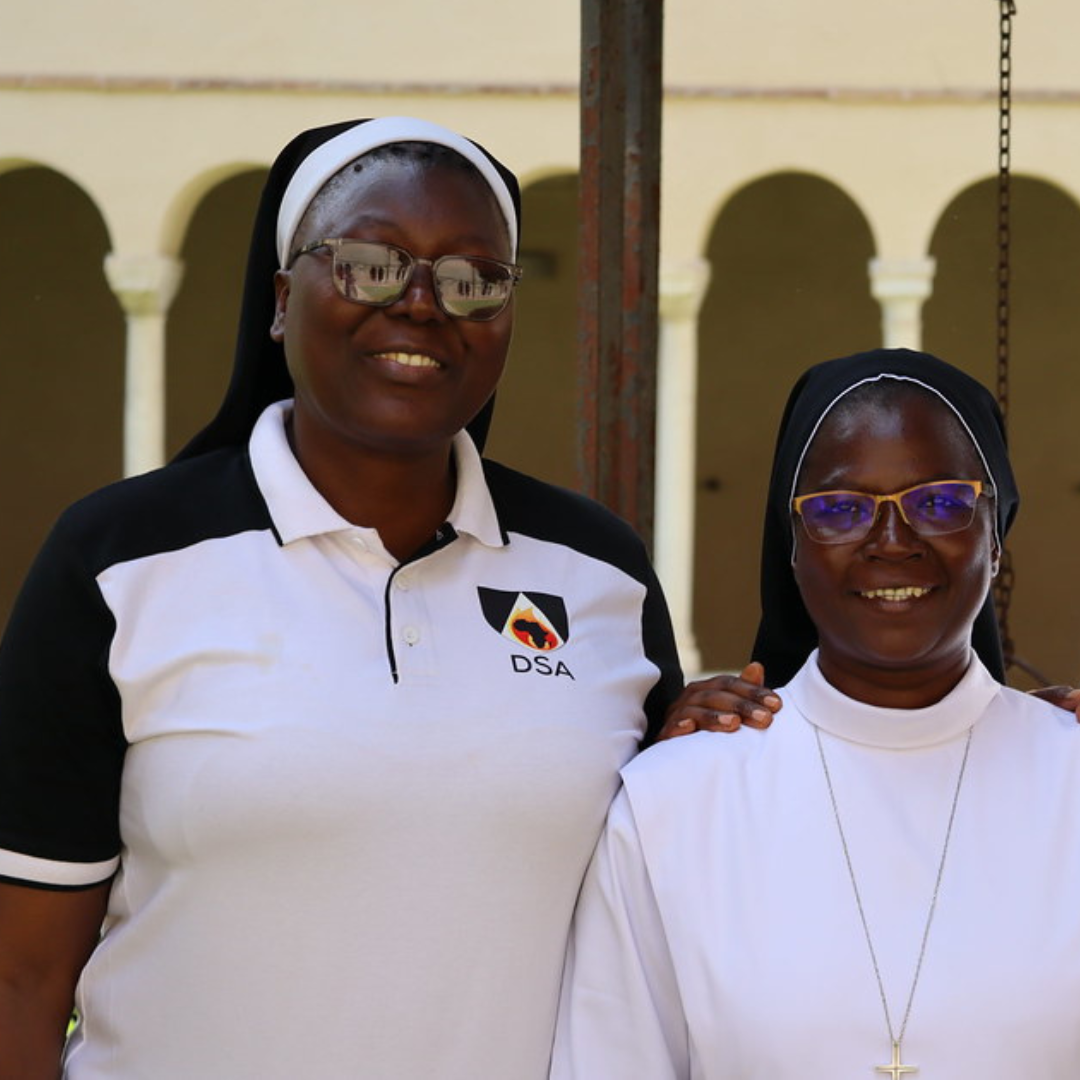
An Interview with Sr. Rose Rushwaya and Sr. Julienne Nkiema, Co-Coordinators of Dominican Sisters Africa.
1. Looking back at the preparation and the gathering itself, what were the most profound or moving moments of this Assembly for you personally?
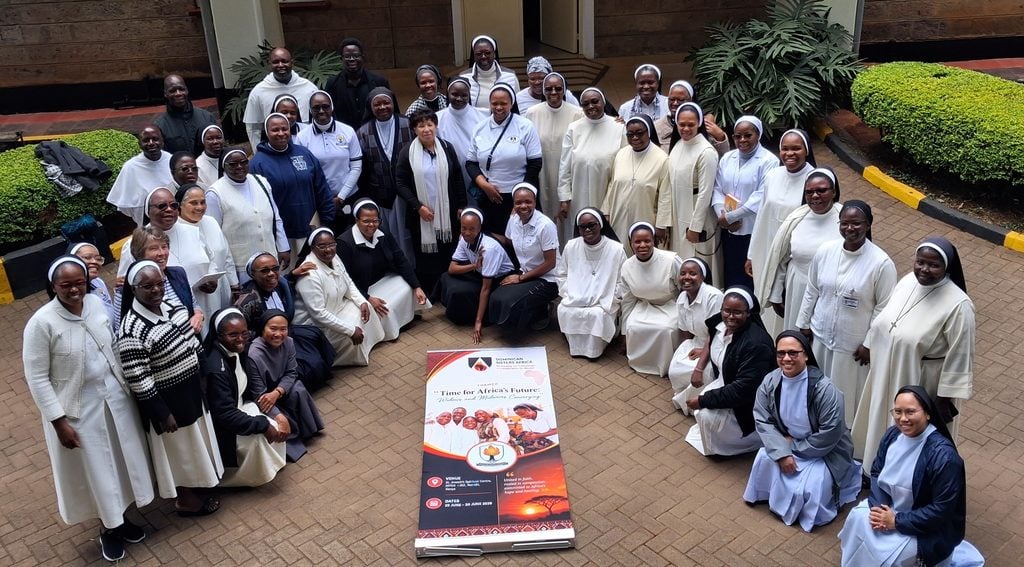
Sr. Rose: For me, the most profound moment was witnessing the depth of our communion across different countries, cultures, languages, and congregational traditions. Leveraging Zoom with simultaneous translation was a true eye-opener. The prayer, honest conversations, and attentive listening created a sacred space where we could acknowledge both the pain and the promise present in our life and mission.
I was especially moved by the courage with which sisters spoke about difficult realities while maintaining unwavering hope for the future. The Assembly reminded me that we are not isolated communities, but one Dominican family—called together by the same Gospel and a shared desire to preach the truth with compassion. It also underscored the power of effective teamwork and well-timed planning, ensuring we weren’t operating under pressure.
Sr. Julienne: For me, seeing the enthusiastic engagement across both French and English-speaking communities was deeply moving. It highlighted our unified effort and strong drive to address our shared regional challenges together.
2. What were the central themes, challenges, or realities facing the continent that took center stage during the discussions?
Sr. Rose: Several realities facing Africa took center stage in our discussions. These included poverty, economic inequality, conflict, and displacement—specifically highlighting Xenophobia in South Africa, Boko Haram in Nigeria, political instability, the climate crisis, migration, youth unemployment, violence against women and children, and the ongoing need for quality education and healthcare.
Within religious life, we reflected on formation, leadership, financial sustainability, aging communities, care for sisters, and the need to prepare younger sisters for future responsibilities. Across all these themes, one central question remained: How can our Dominican presence respond more collaboratively, courageously, and effectively to the cries and hopes of the people we serve?
Sr. Julienne: Many of our discussions revolved around the future of Africa, specifically exploring the theme of transformation through resilience and rebirth. We framed this around two symbolic pillars: widows—representing hope in the face of loss—and midwives, who foster new growth through expertise, courage, and dedication. The core takeaway was that healing, shared wisdom, and proactive care are essential to driving lasting impact across the continent.
3. What are the key priorities, resolutions, or action plans that emerged from this Assembly?
Sr. Rose: The Assembly called us to strengthen collaboration among congregations and countries, particularly in formation and language learning. We also reaffirmed our commitment to justice, peace, and the integrity of creation, with special attention to women, children, displaced persons, and communities affected by conflict and climate change.
Our concrete action plan includes establishing practical networks, clear roles, regular communication channels, and accountable follow-up. Key steps include setting up bilingual working groups and appointing a Continental Treasurer to collaborate closely with zonal treasurers.
4. As Continental Coordinators, what do you see as your primary focus or biggest challenge in guiding the region through this post-Assembly phase?
Sr. Julienne: In our role as Coordinators, our main focus is empowering the sisters to achieve their core objectives. We facilitated the creation of a three-year action plan for each region and established a structured evaluation rhythm for the DSA team to ensure clear governance and continuous progress.
Sr. Rose: Our primary goal is to keep the spirit and commitments of the Assembly alive by translating them into realistic action at the continental, regional, and local levels.
The greatest challenge will be sustaining participation across a vast and diverse continent, where distance, language barriers, limited finances, uneven technology access, and urgent local demands can hinder collaboration. As Continental Coordinators, we must listen, communicate consistently, connect people and resources, and help each congregation see its place in the wider mission. We will also implement measurable priorities and periodic evaluations so that the Assembly’s resolutions translate into visible impact in the lives of our sisters and the communities we serve.
5. In what ways do the outcomes of this African Assembly align with or contribute to the broader mission of the Dominican Sisters International Confederation (DSIC) and the global Dominican Family?
Sr. Rose & Sr. Julienne: The outcomes of the African Assembly align closely with DSIC’s mission to foster communion, communication, and collaboration among Apostolic Dominican Sisters worldwide.
Africa brings vital gifts to the global Dominican family: youthful energy, rich cultural diversity, resilience, strong communal values, and a living witness of hope amid hardship. By sharing these gifts and realities, we help the broader Dominican family discern how the charism of preaching can remain faithful, credible, and life-giving in a rapidly changing world.
6. How can the global Dominican family best support the specific vision and needs that emerged from the African continent during this Assembly?
Sr. Rose & Sr. Julienne: The global Dominican family can best support our vision through relationships of mutual reciprocity rather than one-way assistance. We need sustained accompaniment, opportunities for formation and leadership development, language training, digital communication support, and active partnerships in ministries addressing conflict, displacement, education, healthcare, safeguarding, and care for creation.
While financial solidarity remains crucial, so does the sharing of expertise, personnel, research, advocacy platforms, and opportunities for African sisters to participate in global decision-making. Above all, we ask the wider family to listen to African voices, recognize the continent’s gifts alongside its needs, and build long-term partnerships rooted in shared responsibility, transparency, and mutual respect.


