Observation on the SDG 6 in Zambia
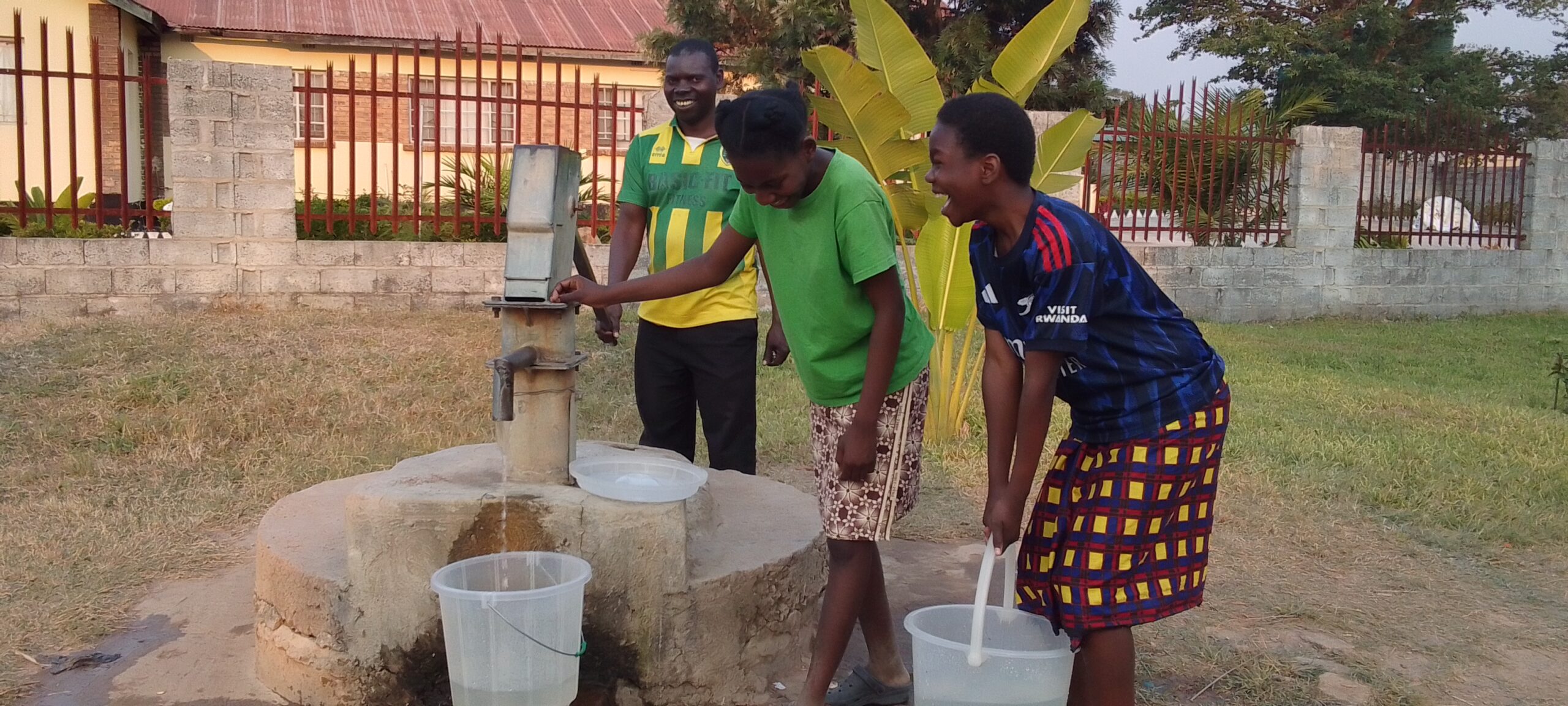
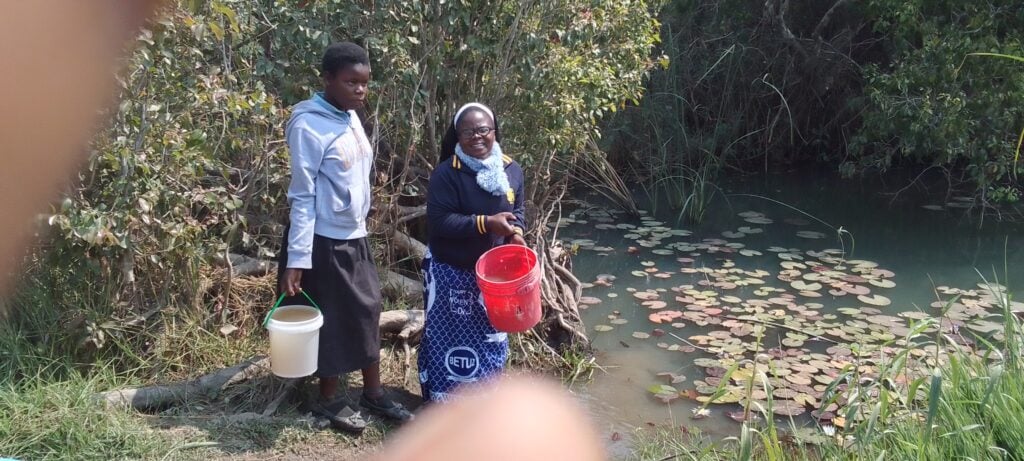
In Zambia, water and sanitation are daily matters of survival and dignity. In many urban areas we see progress, but in rural places the struggle is still very real. In the communities where we minister to as Dominican Missionary Sisters of the Sacred Heart of Jesus, I have seen families fetch and use water directly from rivers. The same rivers are used for washing, cooking, and drinking.
The people we minister to also use water from rivers and unprotected wells. In schools, many children use pit latrines, and in some places where there are no toilets at all, children go to the bush to ease themselves. This leads to sickness, missed school days, and shame especially for girls.
Among several communities located in places we serve like Kabunda village, located in Mansa district, of Luapula province. Here People face water and sanitation challenges. These challenges manifest in the following areas:
- Water access difficulties and water quality safety, many residents have to walk long distances or rely on shallow wells, which are highly susceptible to contamination during the rainy season.
- Inadequate infrastructure: In Kabunda to be specific, there are only 3 available boreholes in the community servicing a population of over 10 000 people. These existing boreholes face challenges such as breakdowns due to over use and drying annually and this challenge is faced by many communities in the rural areas of Zambia as well.
- Lack of sanitation facilities and poor practices: widespread open defecations, about 25,846 people still practice open defecation worse still in open pit mines were we have people from different places without proper shelter, and with poor water and sanitation. Improper fecal wastes management, about 71% of households lack improved sanitation facilities (such as Ventilated Improved Pit latrines, lack of sewer system network hence emptying of waste in undesignated places and drainage systems).
ENVIROMENTAL AND INFRASTRUCTURE ISSUES
- WATER POLLUTION: Mining waste, sewage, and chemicals contaminate rivers especially on the Copperbelt and Northern provinces.
- OLD INFRASTRUCTURE: Leaking pipes, broken pumps, no maintenance budget.
- CLIMATE CHANGE: Droughts and floods make water less predictable.
- HIGH COST: Many households cannot afford treated water or to repair boreholes
Due to the highlighted challenges above, most communities in rural areas are prone to high prevalence of diarrhea, Typhoid, Dysentery, and bilharzia. The lack of running water has hampered the delivery of safe maternity services translating into higher mother and child deaths.
The Sisters and the children themselves are involved in raising awareness on water and sanitation. Through songs, drama, and home visits, they teach communities about handwashing, protecting water sources, and hygiene.
2. DOMINICAN MISSIONARY SISTERS OF THE SACRED HEART OF JESUS CONTRIBUTING TO SDG 6 IN ZAMBIA.
The Dominican Sisters of the Sacred Heart of Jesus serve in some of the most water-stressed rural areas of Zambia. Our ministry directly contributes to SDG 6 by bringing clean water, safe sanitation, and education.
What we are doing?
1. Providing Clean Water in Rural Areas
In Luapula Province, Northern Province, Copperbelt province and Muchinga Province, we are working hard to source funds and drill boreholes for villages that currently depend on rivers. Where boreholes are not yet possible, we teach water purification and protection of river sources.
2. Building Safe and Washable Toilets
The Sisters are constructing washable toilets in Hospitals and schools. This replaces open defecation and unsafe pit latrines. In schools, this means children especially girls can stay in class with dignity.
3. School WASH Program
We support Catholic institutions and community schools with handwashing stations, hygiene education, and menstrual health talks. Our goal is that no child misses school because of water or poor sanitation.
4. Community Awareness and Collaboration
The Sisters and the children are at the forefront of awareness campaigns. We work with the government and local leaders to ensure our projects align with national WASH standards.
5. Caring for Creation
Inspired by Laudato Si’, “Care for the Earth” we also teach tree planting around water points and proper waste disposal to protect our rivers and groundwater.
Impact and Need:
- Hundreds of people in Zambia still walk long distances for river water.
- Our borehole and toilet projects are changing lives, but the need is greater than our current resources.
- Every borehole and toilet means fewer cases of diarrhea, more children in school, and more dignity for families.
- Funding gap
- Poor waste management
3. CONCLUSION
The work of the Dominican Sisters shows that faith must be practical. In places where we are present, we are not just preaching about water, we are digging for it, protecting it, and teaching people how to use it well. To achieve SDG 6 in Zambia, we need, more boreholes, more washable toilets, more education and more partnerships.