
Embracing Diminishment: A Story of the New Zealand Dominican Sisters
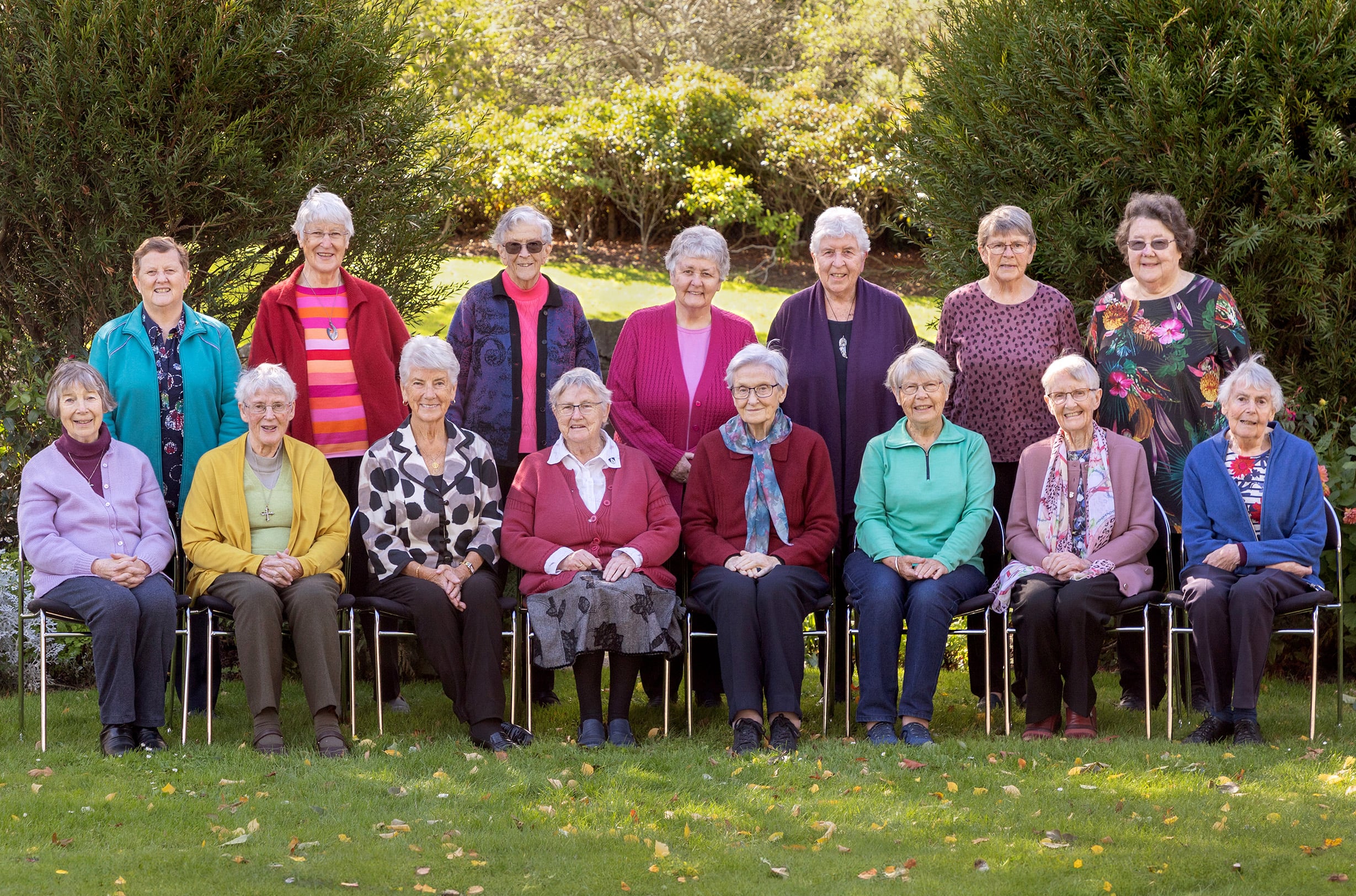
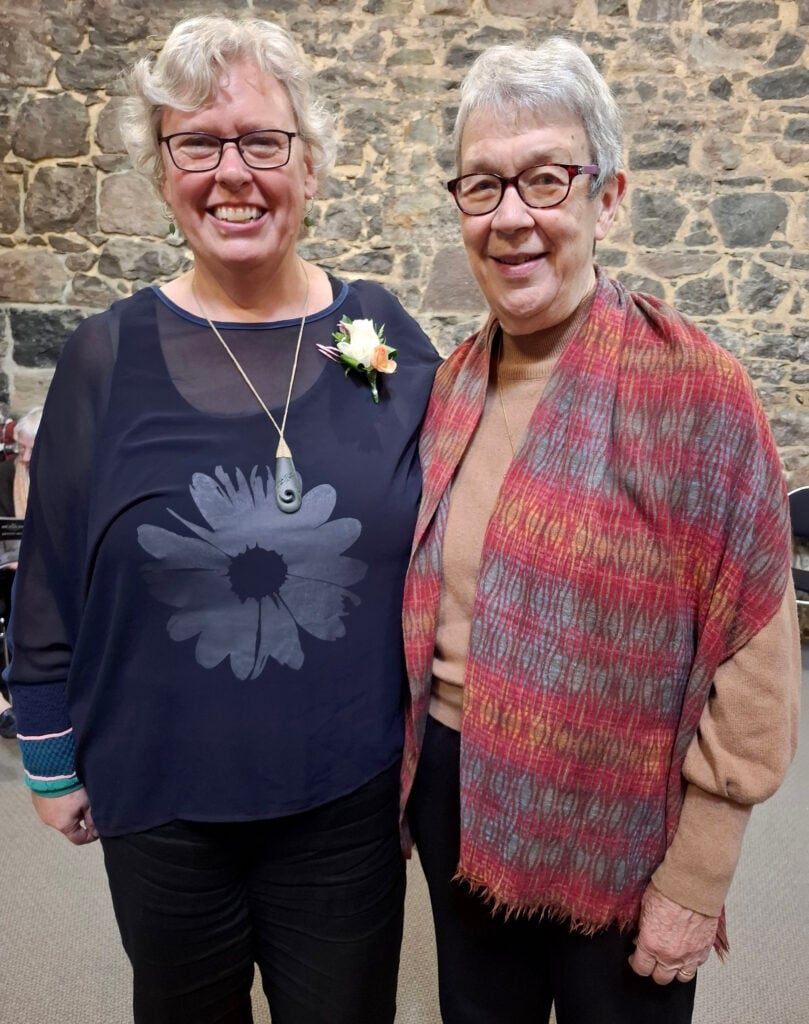
Sandra Winton OP is the former prioress of the New Zealand Dominican Sisters. This group now consists of 19 members through New Zealand. After several years of preparation, in 2025 they petitioned DICLSAL for a commissary. This petition was granted and they are now living with Sister Judith Lawson OP from Australia in the role of Major Superior.
- What was the most challenging part of making the decision to bring the congregation’s journey to completion?
For me personally, the hardest part was letting go of the dream. It was as if I and others had been in a dream state in which we thought that the congregation we had joined would always be there. It was not so much a decision as a realisation.
The evidence was there but had somehow not been grasped. We had had no new vocations for many years. With such a long gap since the most recent profession, we would not expect a new member to enter, who would have no peer group. The last novice had left because she did not want to ‘live with my grandmothers’. Recent enquirers were either unsuitable or looking for a form of religious life that we could not offer.
At our chapter of 2019, which all sisters attended, we were helped to face this reality. We did this all together, with the help of an excellent facilitator. At the end we passed a resolution that we accepted that we were coming to completion. This was unanimous. We all began from this point at the same time and together. This made a huge difference. The decision was collective. We were all in the same room. It was not a decision to bring the congregation to an end. It was the acceptance of a reality – the congregation was coming to an end, and we could either embrace that or remain in a waking dream. We could either leave the future for others to decide or take steps to ensure that we would live as New Zealand Dominican Sisters to the end.
A strong motivator for our sisters was the resistance to the possibility that our future might end up in the hands of people we might not know, priests, bishops, church authorities. We have been resolutely independent for many years and were loath to relinquish that, not to mention some suspicions and mistrust.
Amalgamation was not a feasible option for us.
There was also a positive challenge in this decision. Could we accept that in this time, and in this situation, we were as much in the plan of God as at even the most expansive periods in our history? As our founding sisters boarded a sailing ship and sailed halfway round the world, could we embark on this very different journey also with faith? What did faith mean for us now?
- How did the sisters react initially? Did it take time and a collective discernment to reach a shared agreement?
We all moved to this decision together in person at the same time and there was no dissent. None of us knew exactly what it would involve but there was a huge degree of trust. As leader I experienced this and it was very sustaining. For many years we have worked to learn how to speak together, to be honest, adult and responsible, and I think this stood us in good stead. For a long time, we have spoken of the leadership in all of us and this bore fruit. Leading through the years to follow, my motto in leading was ‘no secrets, no surprises’. All decisions were taken by the whole group or drafted by a group and accepted by everyone. We are geographically scattered so working as a whole group took effort, but it was crucial.
- Looking back on this entire process, what are the most valuable lessons you and your community have walked away with?
If we make choices while we can, we can have a lot of say in how our last years are lived. We can choose amalgamation or another form of working with another group or we can choose the option of requesting a canonically appointed leader (commissary) which we have done. We discerned who we would want and DICLSAL were happy to appoint that person. We have also prepared guidelines and policies to guide those with responsibility into the future.
This process is not a sad or bad thing. Facing the truth, as we Dominicans know, is liberating. The process of naming how we wish to live out our religious life and how we want our resources used to carry on our mission, has been empowering. Having a Dominican Sister of our choice from another congregation appointed as our commissary has been a very good experience.
Lay employees who work alongside us (and we are very fortunate that we have some who have been with us for a long time) have imbibed our spirit and values. They, with lay members of our trust board, work alongside us and are entrusted to ensure that our charism and mission are carried forward into the future as they manage our finances, our health care and our communications. This frees us for the tasks of our later years.
Being united, loving one another, are crucial. They are the core of our witness. I observe that as a group we are less critical, more open, more accepting and tender with one another as we grow fewer and older.
The youngest sisters need particular care and help to find companionship and peers. The future for Dominican sisters is more and more international.
Faith continues to be challenged. How would we think it would not be so, when we follow a crucified Christ?
- For congregations that need to start thinking about their future but haven’t yet, what advice would you share based on your own experiences?
Ownership. Each sister needs to own this process, have any questions considered and anxieties expressed. There needs to be openness to all. Each sister needs to take part as far as she can in decisions taken.
Guidance. I believe it would not have been possible for us to make all the steps we have without guidance. We were able to get help from a group set up by congregations in Australia called Emerging Futures Collaborative Limited (EFCL). Two members of this group guided us through meetings, document writing, and discernment for a number of years until we were able to send our petition to Rome and have a commissary appointed. There are other such groups in different parts of the world.
Sharing. I must own a certain shame that we had come to the position where we could no longer hold chapters or provide our own leadership. My instinct was to keep this private. Sharing with other congregations, especially other Dominicans, has been invaluable and enriching. EFCL gatherings have enabled shared learnings. We do not have to find the path alone. A lot of time and effort can be saved by sharing. Reaching out to other congregations for help has been one of the most helpful things I have done.
Time. We began this process gathered in one place and with a good degree of energy. We pursued it through many online and in-person meetings. But very quickly sisters have aged and died so that we had quite a small number at our last chapter. We are geographically spread and now most sisters do not have the health to gather in person. Each illness and death is felt deeply and managed with fewer resources. Coming to completion, which felt like a dignified procession, now feels that it is racing towards us like a train. WE CANNOT BEGIN TOO EARLY.
If you face your truth, you can prepare for this future yourselves. If you do not, someone will have to take steps at some point and you may have little say in that. This is not a lack of faith but a journey in trust.


